
⚡ OFFICIAL NTA ASSESSMENT GENERATOR & WORD (.DOCX) EXPORTER
Structure of Atom · Practice Worksheet
JEE Main Chemistry · Curated Assessment Set Print directly or export as a beautifully formatted Microsoft Word document with embedded 180-DPI mathematical prompt clips and step-by-step derivations.
EDUPROD JEE MAIN TEST SERIES · NTA PATTERN
Structure of Atom · Practice Worksheet
JEE Main Chemistry · Curated Assessment Set · Assessment Code: JEE-101
Total Marks: 100
Marking: +4 / -1 (Sec A) · +4 / 0 (Sec B)
QUESTION 1
CHEMISTRY · Structure of Atom
SECTION A · MCQ (+4, -1)
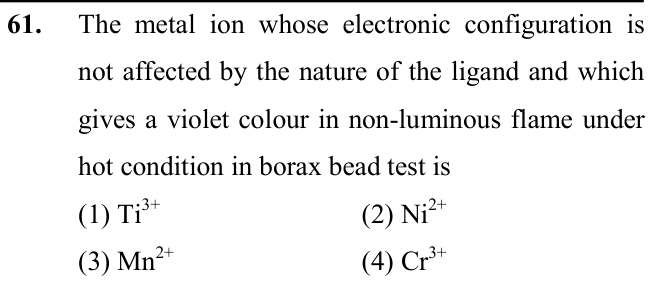
Candidate Response:
(1) (2) (3) (4)
⚡ OFFICIAL KEY: 2
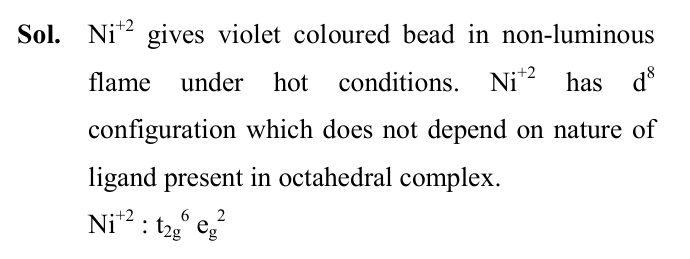
Step-by-Step Derivation
QUESTION 2
CHEMISTRY · Structure of Atom
SECTION A · MCQ (+4, -1)
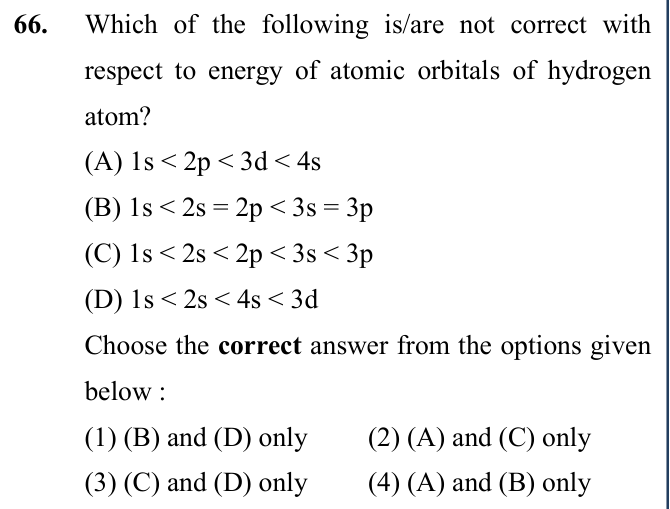
Candidate Response:
(1) (2) (3) (4)
⚡ OFFICIAL KEY: 3
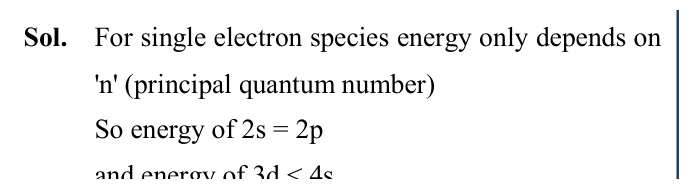
Step-by-Step Derivation
QUESTION 3
CHEMISTRY · Structure of Atom
SECTION A · MCQ (+4, -1)
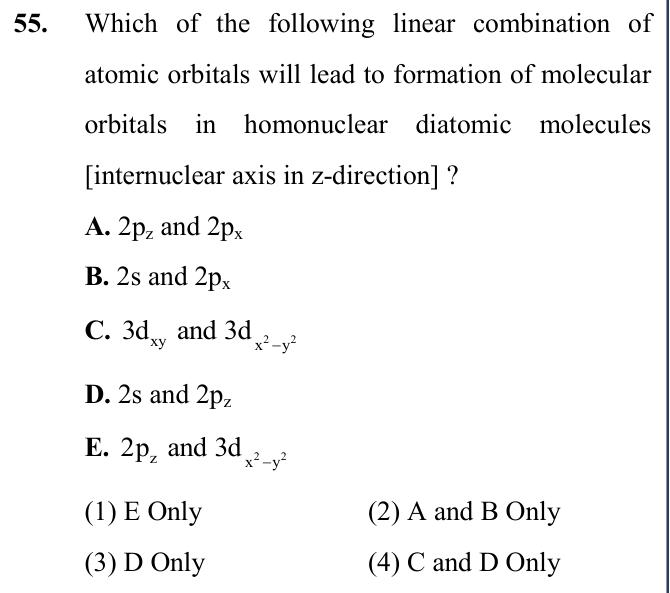
Candidate Response:
(1) (2) (3) (4)
⚡ OFFICIAL KEY: 3
Step-by-Step Derivation
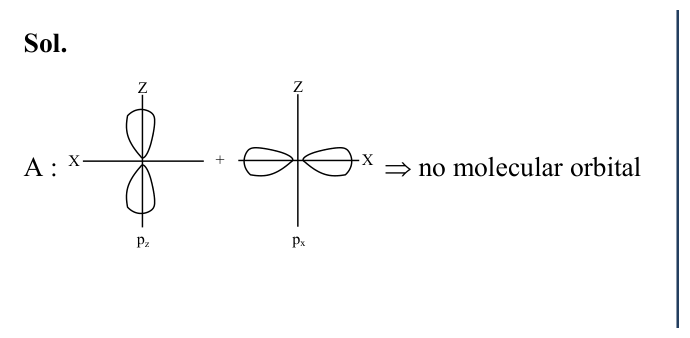
QUESTION 4
CHEMISTRY · Structure of Atom
SECTION A · MCQ (+4, -1)
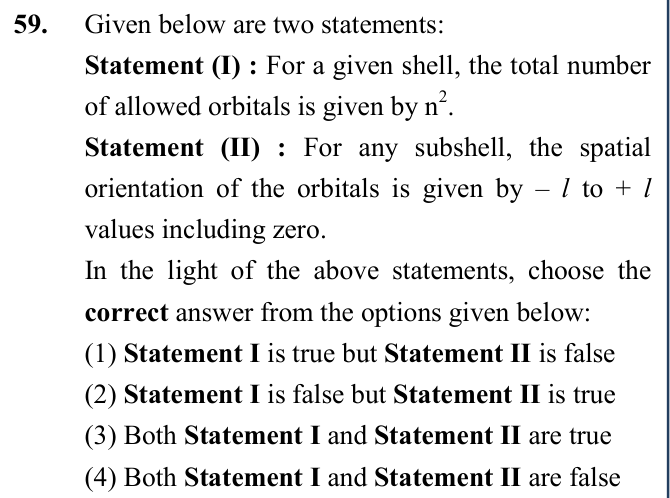
Candidate Response:
(1) (2) (3) (4)
⚡ OFFICIAL KEY: 3
Step-by-Step Derivation

QUESTION 5
CHEMISTRY · Structure of Atom
SECTION A · MCQ (+4, -1)
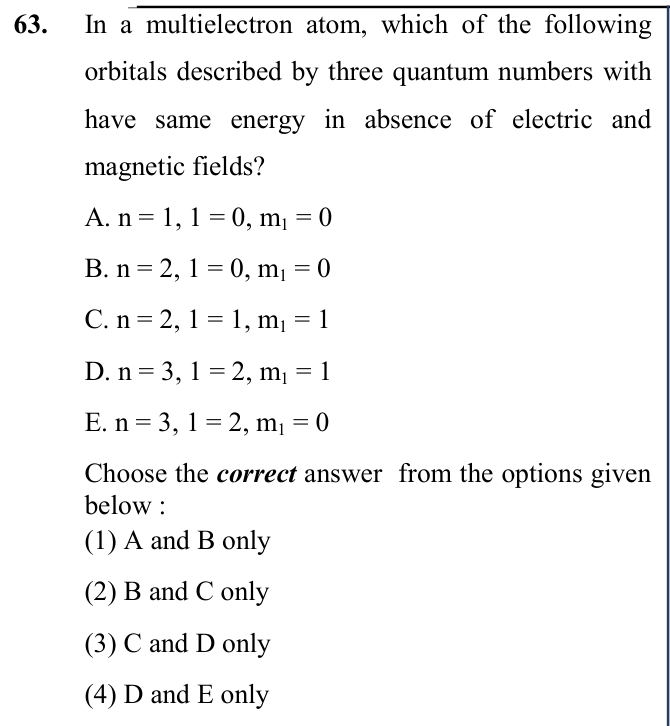
Candidate Response:
(1) (2) (3) (4)
⚡ OFFICIAL KEY: 4
Step-by-Step Derivation
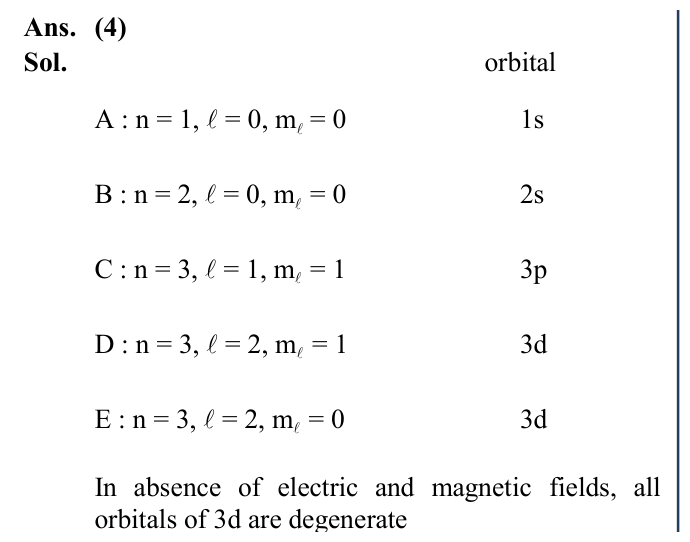
QUESTION 6
CHEMISTRY · Structure of Atom
SECTION A · MCQ (+4, -1)
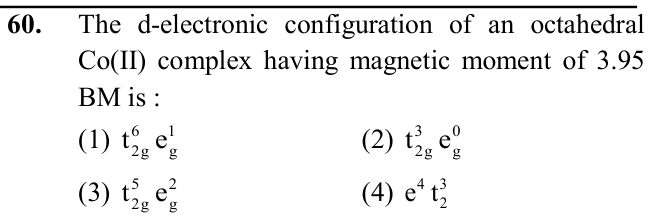
Candidate Response:
(1) (2) (3) (4)
⚡ OFFICIAL KEY: 3
Step-by-Step Derivation
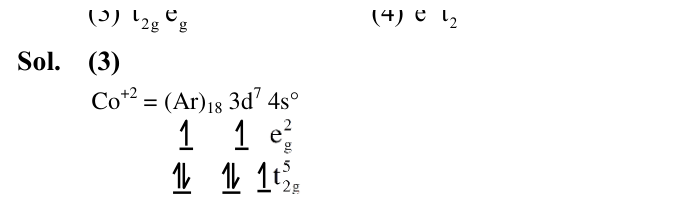
QUESTION 7
CHEMISTRY · Structure of Atom
SECTION A · MCQ (+4, -1)
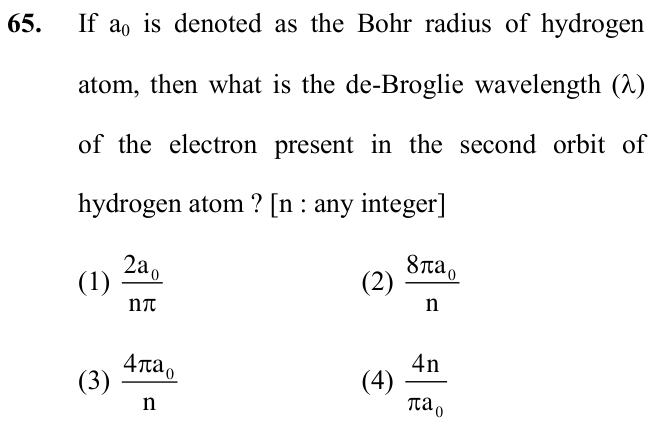
Candidate Response:
(1) (2) (3) (4)
⚡ OFFICIAL KEY: 2
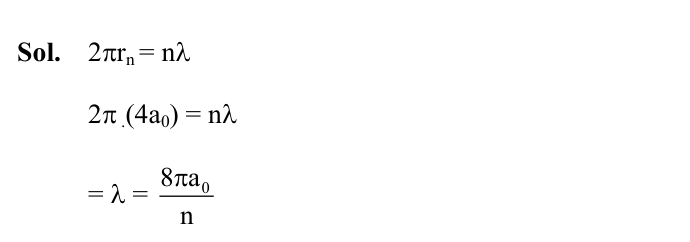
Step-by-Step Derivation
QUESTION 8
CHEMISTRY · Structure of Atom
SECTION B · NUMERICAL (+4, 0)

Numerical Value:
[ ]
⚡ OFFICIAL KEY: 11
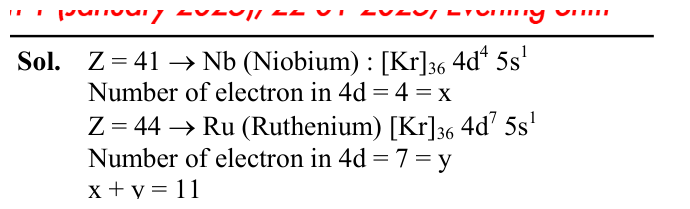
Step-by-Step Derivation
QUESTION 9
CHEMISTRY · Structure of Atom
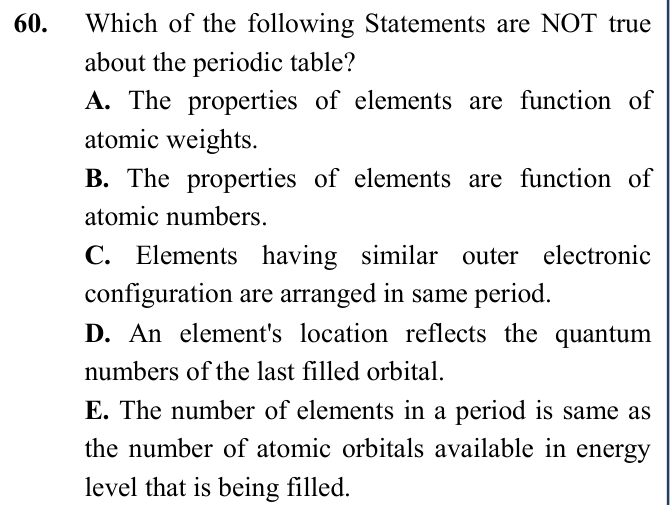
SECTION A · MCQ (+4, -1)
Candidate Response:
(1) (2) (3) (4)
⚡ OFFICIAL KEY: 1
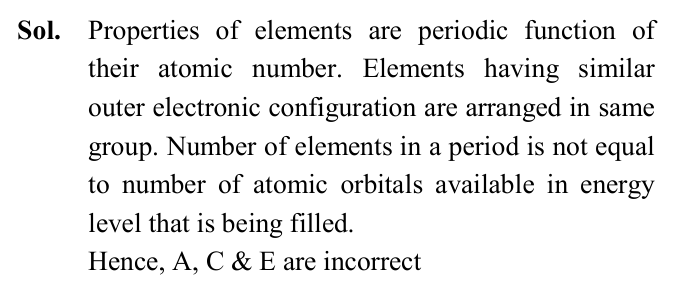
Step-by-Step Derivation
QUESTION 10
CHEMISTRY · Structure of Atom
SECTION A · MCQ (+4, -1)
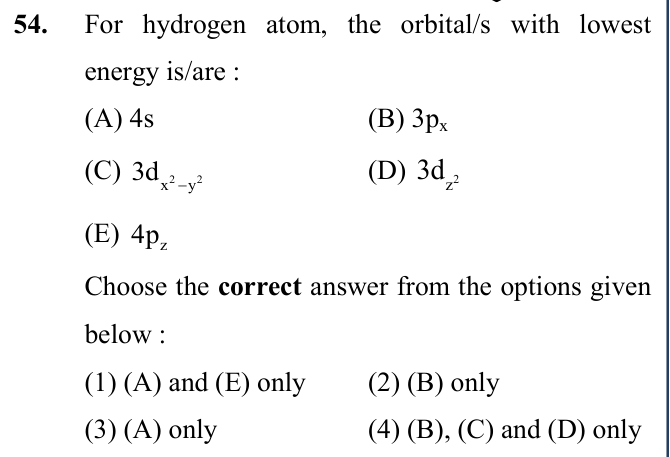
Candidate Response:
(1) (2) (3) (4)
⚡ OFFICIAL KEY: 4
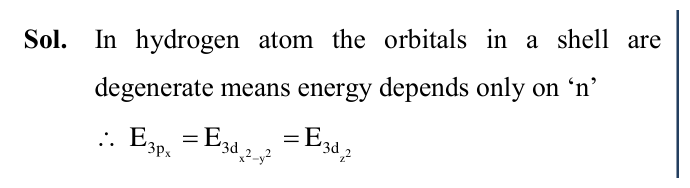
Step-by-Step Derivation
QUESTION 11
CHEMISTRY · Structure of Atom
SECTION A · MCQ (+4, -1)
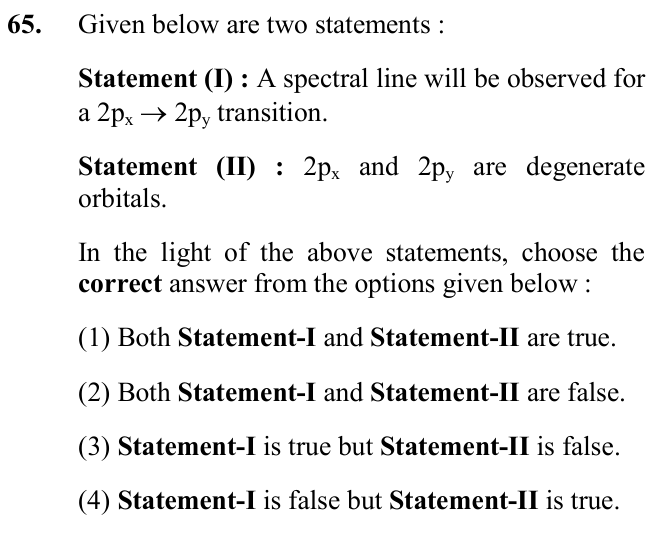
Candidate Response:
(1) (2) (3) (4)
⚡ OFFICIAL KEY: 4
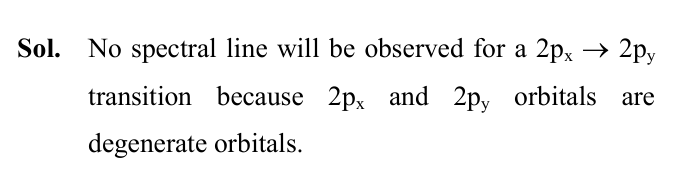
Step-by-Step Derivation
QUESTION 12
CHEMISTRY · Structure of Atom
SECTION A · MCQ (+4, -1)
Cathode rays consist of a stream of...
(1) Alpha particles
(2) Electrons
(3) Neutrons
(4) Protons
Candidate Response:
(1) (2) (3) (4)
⚡ OFFICIAL KEY: Electrons
Step-by-Step Derivation
Cathode rays are streams of electrons.
QUESTION 13
CHEMISTRY · Structure of Atom
SECTION A · MCQ (+4, -1)
According to Planck, radiant energy is emitted or absorbed discontinuously as small packets called...
(1) Orbits
(2) Quanta
(3) Waves
(4) Electrons
Candidate Response:
(1) (2) (3) (4)
⚡ OFFICIAL KEY: Quanta
Step-by-Step Derivation
Planck proposed energy is transferred in discrete quanta.
QUESTION 14
CHEMISTRY · Structure of Atom
SECTION A · MCQ (+4, -1)
Which spectral series of the hydrogen atom lies in the visible region?
(1) Lyman series
(2) Balmer series
(3) Brackett series
(4) Paschen series
Candidate Response:
(1) (2) (3) (4)
⚡ OFFICIAL KEY: Balmer series
Step-by-Step Derivation
The Balmer series (n → 2) falls in the visible region.
QUESTION 15
CHEMISTRY · Structure of Atom
SECTION A · MCQ (+4, -1)
What is the spin-only magnetic moment of the Fe3+ ion (Z = 26)?
(1) 3.87 BM
(2) 4.90 BM
(3) 5.92 BM
(4) 6.93 BM
Candidate Response:
(1) (2) (3) (4)
⚡ OFFICIAL KEY: 5.92 BM
Step-by-Step Derivation
Fe3+ has the configuration [Ar] 3d⁵ with 5 unpaired electrons. The spin-only magnetic moment is μ = sqrt[n(n + 2)] = sqrt[5 x 7] = √(35) = 5.92 BM.
QUESTION 16
CHEMISTRY · Structure of Atom
SECTION A · MCQ (+4, -1)
In a Rutherford α-scattering experiment, if the kinetic energy of the incident α particle is doubled, how does the distance of closest approach (r₀) change?
(1) It remains unchanged
(2) It is quadrupled
(3) It is halved
(4) It is doubled
Candidate Response:
(1) (2) (3) (4)
⚡ OFFICIAL KEY: It is halved
Step-by-Step Derivation
At closest approach all the kinetic energy K converts into electrostatic potential energy: K = (2Ze²)/(4·π*ε₀ * r₀), so r₀ is inversely proportional to K. Doubling K halves r₀.
QUESTION 17
CHEMISTRY · Structure of Atom
SECTION A · MCQ (+4, -1)
According to the Aufbau principle, electrons occupy orbitals in order of increasing...
(1) Shape
(2) Energy
(3) Spin
(4) Size
Candidate Response:
(1) (2) (3) (4)
⚡ OFFICIAL KEY: Energy
Step-by-Step Derivation
Aufbau filling proceeds from lower to higher energy orbitals.
QUESTION 18
CHEMISTRY · Structure of Atom
SECTION A · MCQ (+4, -1)
In Bohr's model, the angular momentum of an electron in a stationary orbit is an integral multiple of...
(1) h
(2) 2πh
(3) h/2π
(4) h²/4π
Candidate Response:
(1) (2) (3) (4)
⚡ OFFICIAL KEY: h/2π
Step-by-Step Derivation
Bohr quantised angular momentum as mvr = nh/2π.
QUESTION 19
CHEMISTRY · Structure of Atom
SECTION A · MCQ (+4, -1)
In the photoelectric effect, increasing the intensity of light of a fixed frequency increases the...
(1) Number of emitted electrons
(2) Work function of the metal
(3) Kinetic energy of electrons
(4) Threshold frequency
Candidate Response:
(1) (2) (3) (4)
⚡ OFFICIAL KEY: Number of emitted electrons
Step-by-Step Derivation
Intensity increases the count of photoelectrons; frequency increases their kinetic energy.
QUESTION 20
CHEMISTRY · Structure of Atom
SECTION A · MCQ (+4, -1)
What is the orbital angular momentum of an electron in a 3p orbital?
(1) 0
(2) h/(2·π)
(3) √(2) * h/(2·π)
(4) 2 * h/(2·π)
Candidate Response:
(1) (2) (3) (4)
⚡ OFFICIAL KEY: √(2) * h/(2·π)
Step-by-Step Derivation
For a p orbital the azimuthal quantum number is l = 1. Orbital angular momentum L = sqrt[l(l + 1)] * h/(2·π) = √(1 x 2) * h/(2·π) = √(2) * h/(2·π). An s electron (l = 0) would have L = 0.
QUESTION 21
CHEMISTRY · Structure of Atom
SECTION A · MCQ (+4, -1)
Which quantum number determines the shape of an orbital?
(1) Principal quantum number (n)
(2) Spin quantum number (s)
(3) Azimuthal quantum number (l)
(4) Magnetic quantum number (m)
Candidate Response:
(1) (2) (3) (4)
⚡ OFFICIAL KEY: Azimuthal quantum number (l)
Step-by-Step Derivation
The azimuthal quantum number l gives the orbital shape.
QUESTION 22
CHEMISTRY · Structure of Atom
SECTION A · MCQ (+4, -1)
In the photoelectric effect, what is the slope of the straight-line graph of stopping potential (V₀) plotted against frequency (ν)?
(1) W₀/e
(2) h/e
(3) e/h
(4) h
Candidate Response:
(1) (2) (3) (4)
⚡ OFFICIAL KEY: h/e
Step-by-Step Derivation
Einstein's equation h·ν = W₀ + e·V₀ rearranges to V₀ = (h/e)·ν - W₀/e. Comparing with y = m·x + c, the slope is h/e (about 4.14 x 10⁻¹⁵ V-s), a universal constant for all metals.
QUESTION 23
CHEMISTRY · Structure of Atom
SECTION A · MCQ (+4, -1)
Calculate the ratio of the energies of two photons having wavelengths 2000 A and 4000 A respectively.
(1) 4 : 1
(2) 2 : 1
(3) 1 : 4
(4) 1 : 2
Candidate Response:
(1) (2) (3) (4)
⚡ OFFICIAL KEY: 2 : 1
Step-by-Step Derivation
Energy E = hc/λ, so E is inversely proportional to λ. Thus E1/E2 = λ2/λ1 = 4000/2000 = 2 : 1. The shorter wavelength photon carries the higher energy.
QUESTION 24
CHEMISTRY · Structure of Atom
SECTION A · MCQ (+4, -1)
The radius of an atomic nucleus is of the order of...
(1) 10⁻¹² m
(2) 10⁻¹⁵ m
(3) 10⁻⁸ m
(4) 10⁻¹⁰ m
Candidate Response:
(1) (2) (3) (4)
⚡ OFFICIAL KEY: 10⁻¹⁵ m
Step-by-Step Derivation
Nuclear radius is about 10⁻¹⁵ m (1 fermi), far smaller than the atom (~10⁻¹⁰ m).
QUESTION 25
CHEMISTRY · Structure of Atom
SECTION A · MCQ (+4, -1)
According to the Aufbau (n + l) rule, which orbital is filled first: 5s or 4d?
(1) 5s
(2) It depends on the element
(3) 4d
(4) Both are filled simultaneously
Candidate Response:
(1) (2) (3) (4)
⚡ OFFICIAL KEY: 5s
Step-by-Step Derivation
For 5s, (n + l) = 5 + 0 = 5. For 4d, (n + l) = 4 + 2 = 6. Lower (n + l) means lower energy, so 5s fills before 4d.