
⚡ OFFICIAL NTA ASSESSMENT GENERATOR & WORD (.DOCX) EXPORTER
Aldehydes, Ketones and Carboxylic Acids · Practice Worksheet
JEE Main Chemistry · Curated Assessment Set Print directly or export as a beautifully formatted Microsoft Word document with embedded 180-DPI mathematical prompt clips and step-by-step derivations.
EDUPROD JEE MAIN TEST SERIES · NTA PATTERN
Aldehydes, Ketones and Carboxylic Acids · Practice Worksheet
JEE Main Chemistry · Curated Assessment Set · Assessment Code: JEE-101
Total Marks: 40
Marking: +4 / -1 (Sec A) · +4 / 0 (Sec B)
QUESTION 1
CHEMISTRY · Aldehydes, Ketones and Carboxylic Acids
SECTION A · MCQ (+4, -1)
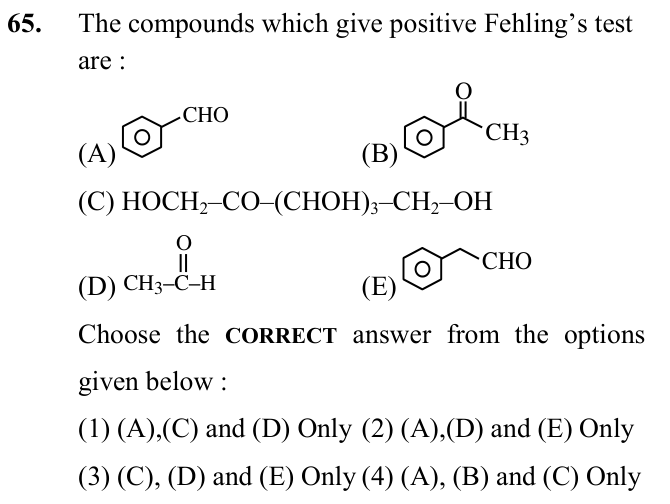
Candidate Response:
(1) (2) (3) (4)
⚡ OFFICIAL KEY: 3
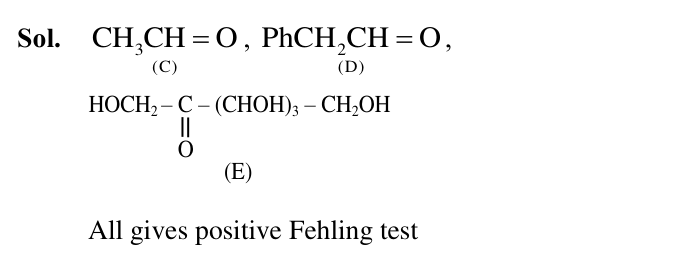
Step-by-Step Derivation
QUESTION 2
CHEMISTRY · Aldehydes, Ketones and Carboxylic Acids
SECTION A · MCQ (+4, -1)
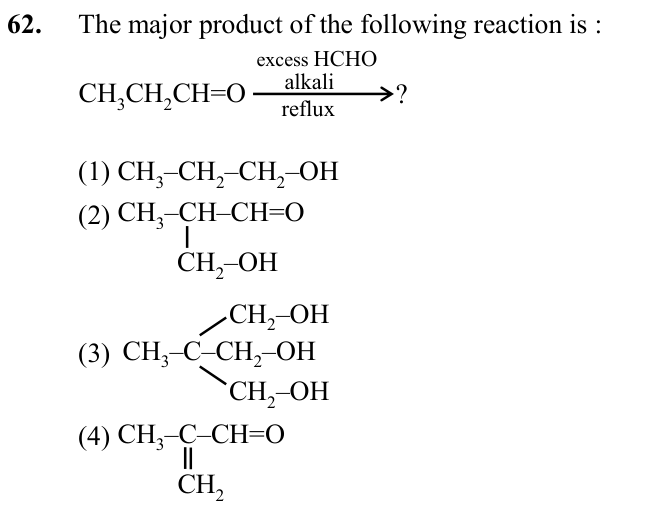
Candidate Response:
(1) (2) (3) (4)
⚡ OFFICIAL KEY: 3
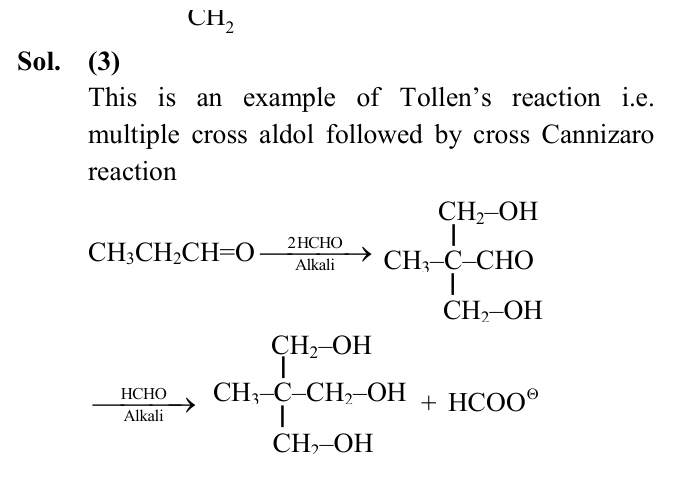
Step-by-Step Derivation
QUESTION 3
CHEMISTRY · Aldehydes, Ketones and Carboxylic Acids
SECTION A · MCQ (+4, -1)
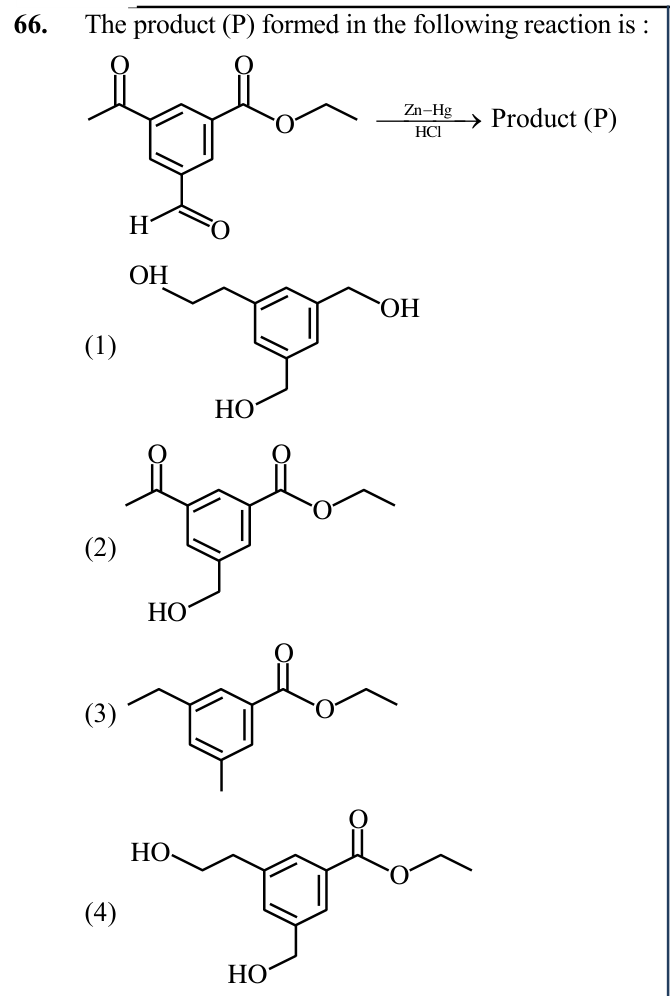
Candidate Response:
(1) (2) (3) (4)
⚡ OFFICIAL KEY: 3
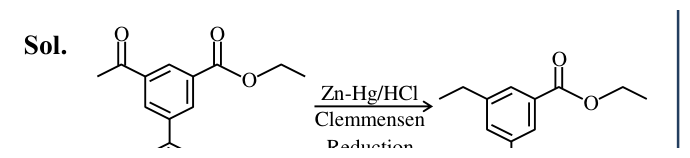
Step-by-Step Derivation
QUESTION 4
CHEMISTRY · Aldehydes, Ketones and Carboxylic Acids
SECTION A · MCQ (+4, -1)
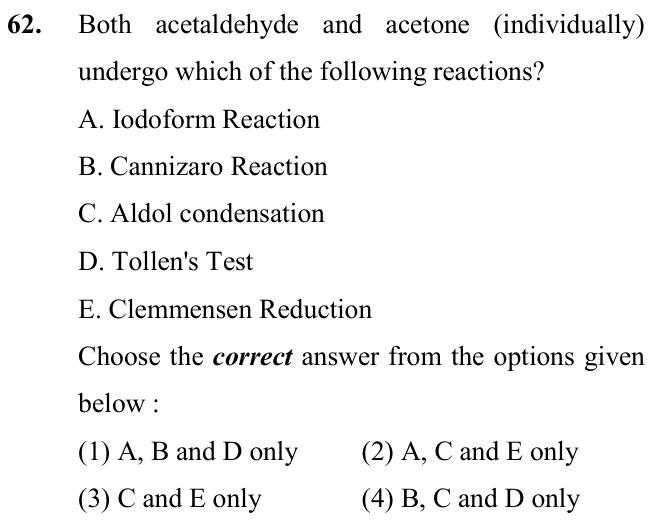
Candidate Response:
(1) (2) (3) (4)
⚡ OFFICIAL KEY: 2
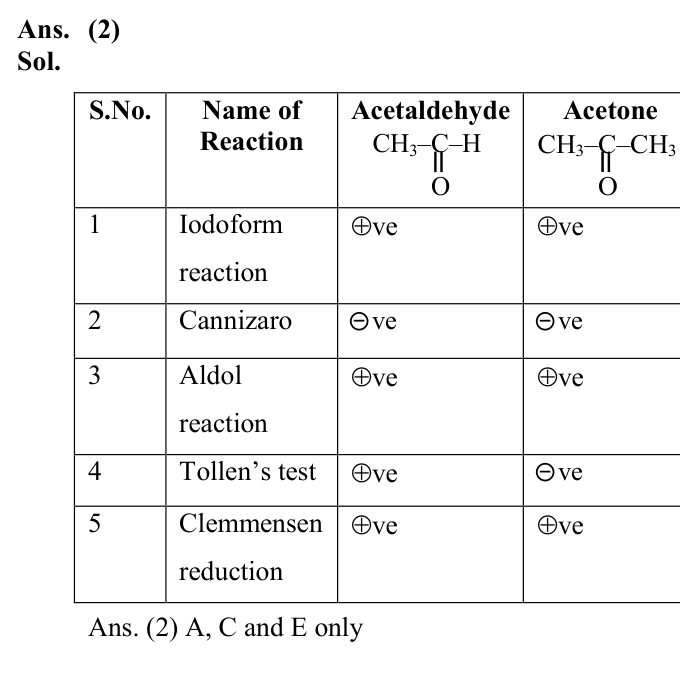
Step-by-Step Derivation
QUESTION 5
CHEMISTRY · Aldehydes, Ketones and Carboxylic Acids
SECTION A · MCQ (+4, -1)
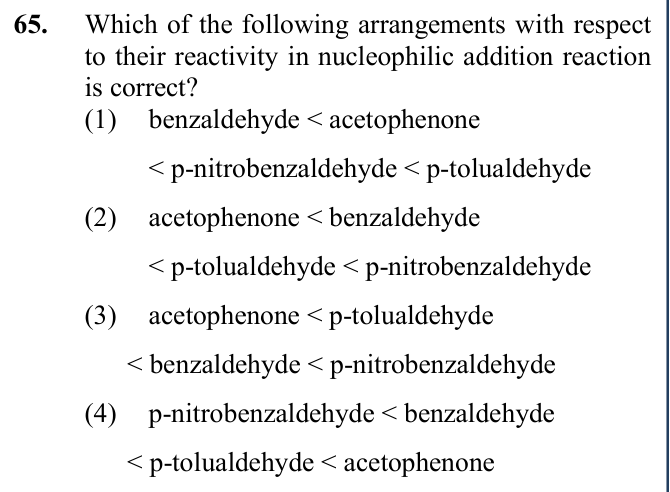
Candidate Response:
(1) (2) (3) (4)
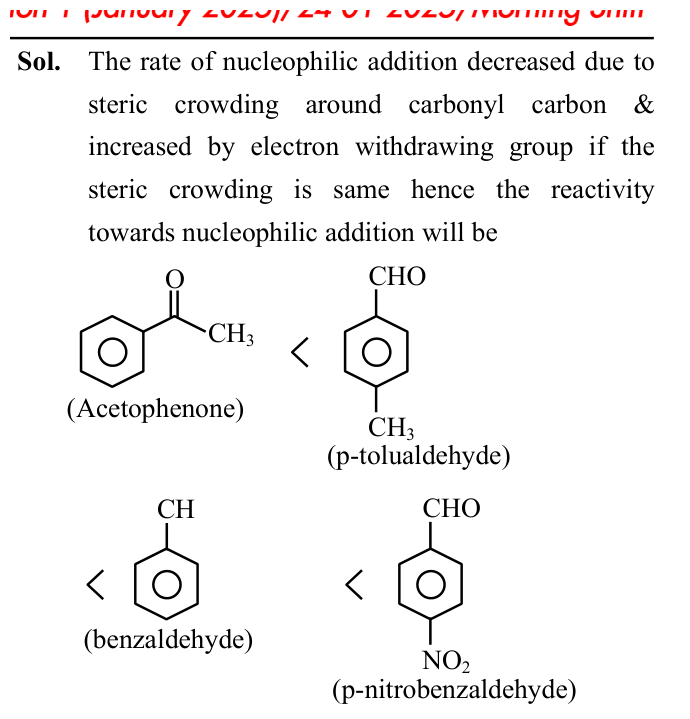
⚡ OFFICIAL KEY: 3
Step-by-Step Derivation
QUESTION 6
CHEMISTRY · Aldehydes, Ketones and Carboxylic Acids
SECTION A · MCQ (+4, -1)
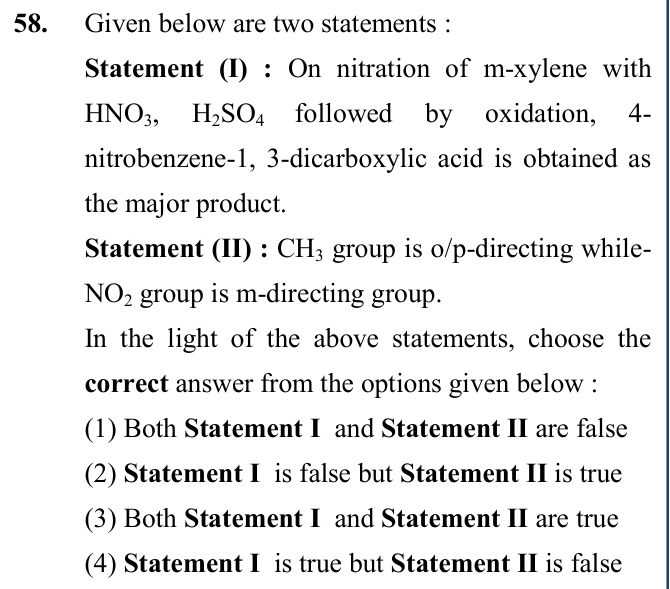
Candidate Response:
(1) (2) (3) (4)
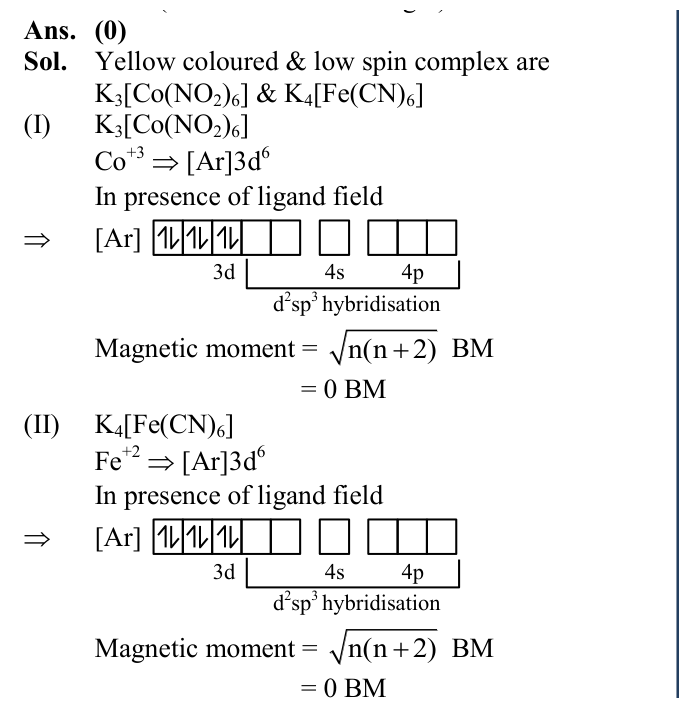
⚡ OFFICIAL KEY: 3
Step-by-Step Derivation
QUESTION 7
CHEMISTRY · Aldehydes, Ketones and Carboxylic Acids
SECTION A · MCQ (+4, -1)
Heating the sodium salt of a carboxylic acid with soda lime (NaOH + CaO) produces which type of hydrocarbon by decarboxylation?
(1) alkane
(2) alkene
(3) alcohol
(4) alkyne
Candidate Response:
(1) (2) (3) (4)
⚡ OFFICIAL KEY: alkane
Step-by-Step Derivation
Soda lime decarboxylation (Dumas) gives an alkane with one fewer carbon.
QUESTION 8
CHEMISTRY · Aldehydes, Ketones and Carboxylic Acids
SECTION A · MCQ (+4, -1)
The Rosenmund reduction converts an acid chloride into which product using H₂ over Pd/BaSO₄?
(1) aldehyde
(2) alcohol
(3) carboxylic acid
(4) ketone
Candidate Response:
(1) (2) (3) (4)
⚡ OFFICIAL KEY: aldehyde
Step-by-Step Derivation
Rosenmund reduction selectively yields an aldehyde from an acid chloride.
QUESTION 9
CHEMISTRY · Aldehydes, Ketones and Carboxylic Acids
SECTION A · MCQ (+4, -1)
A ketone containing an acid-sensitive carbon–carbon double bond (C=C) must be reduced to the corresponding hydrocarbon. Which reagent should be used?
(1) Concentrated H₂SO₄
(2) Wolff-Kishner (NH₂NH₂/KOH in ethylene glycol)
(3) Clemmensen (Zn-Hg/conc. HCl)
(4) Dilute aqueous NaOH
Candidate Response:
(1) (2) (3) (4)
⚡ OFFICIAL KEY: Wolff-Kishner (NH₂NH₂/KOH in ethylene glycol)
Step-by-Step Derivation
Clemmensen's conc. HCl would attack the acid-sensitive C=C, so the basic Wolff-Kishner conditions (NH₂NH₂/KOH) are chosen to reduce only the carbonyl while leaving the C=C intact.
QUESTION 10
CHEMISTRY · Aldehydes, Ketones and Carboxylic Acids
SECTION A · MCQ (+4, -1)
Benzaldehyde is heated with concentrated NaOH. The products of this Cannizzaro reaction are:
(1) benzyl alcohol and sodium benzoate
(2) benzaldehyde and sodium formate
(3) benzoic acid and methanol
(4) phenol and sodium carbonate
Candidate Response:
(1) (2) (3) (4)
⚡ OFFICIAL KEY: benzyl alcohol and sodium benzoate
Step-by-Step Derivation
Benzaldehyde has no α-hydrogen, so it cannot form an enolate; with conc. NaOH it disproportionates — one molecule is reduced to benzyl alcohol and the other is oxidised to sodium benzoate.