
⚡ OFFICIAL NTA ASSESSMENT GENERATOR & WORD (.DOCX) EXPORTER
Aldehydes, Ketones and Carboxylic Acids · Practice Worksheet
JEE Main Chemistry · Curated Assessment Set Print directly or export as a beautifully formatted Microsoft Word document with embedded 180-DPI mathematical prompt clips and step-by-step derivations.
EDUPROD JEE MAIN TEST SERIES · NTA PATTERN
Aldehydes, Ketones and Carboxylic Acids · Practice Worksheet
JEE Main Chemistry · Curated Assessment Set · Assessment Code: JEE-101
Total Marks: 60
Marking: +4 / -1 (Sec A) · +4 / 0 (Sec B)
QUESTION 1
CHEMISTRY · Aldehydes, Ketones and Carboxylic Acids
SECTION A · MCQ (+4, -1)
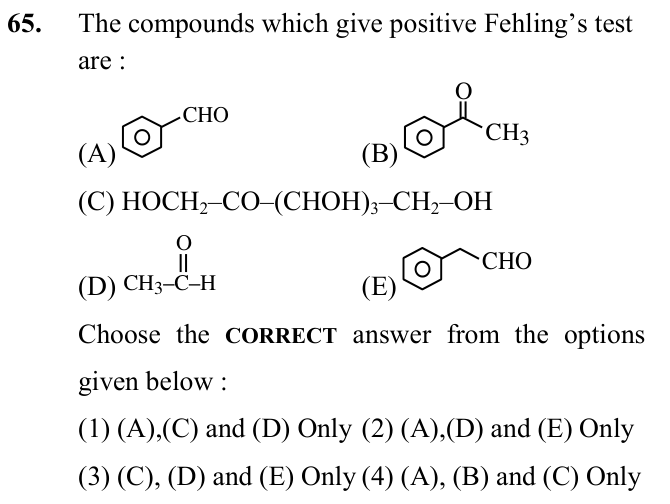
Candidate Response:
(1) (2) (3) (4)
⚡ OFFICIAL KEY: 3
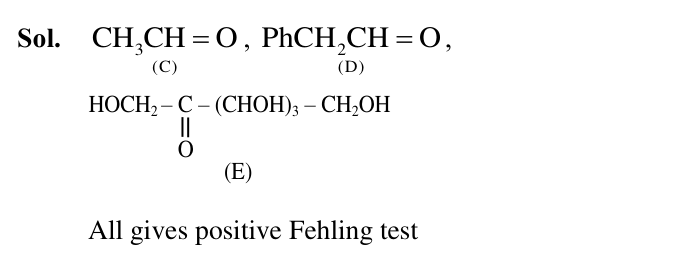
Step-by-Step Derivation
QUESTION 2
CHEMISTRY · Aldehydes, Ketones and Carboxylic Acids
SECTION A · MCQ (+4, -1)
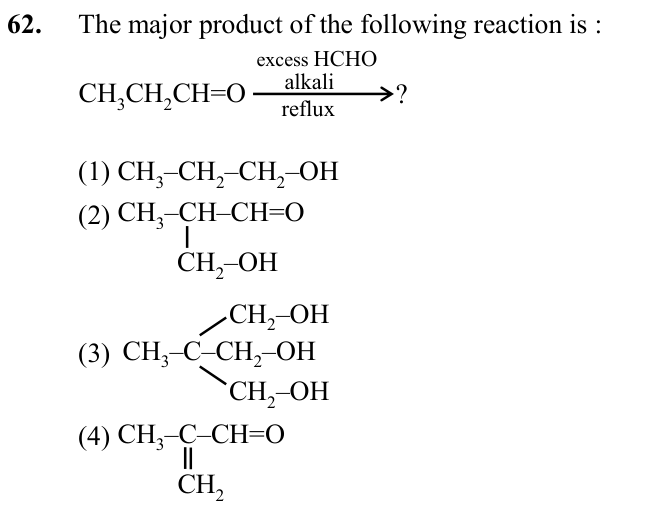
Candidate Response:
(1) (2) (3) (4)
⚡ OFFICIAL KEY: 3
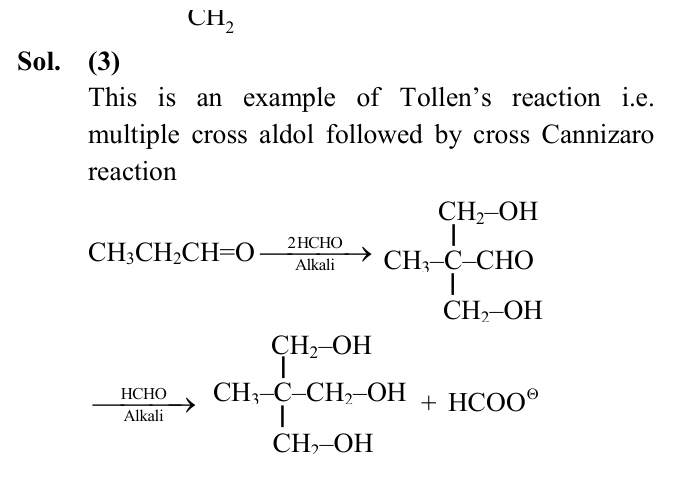
Step-by-Step Derivation
QUESTION 3
CHEMISTRY · Aldehydes, Ketones and Carboxylic Acids
SECTION A · MCQ (+4, -1)
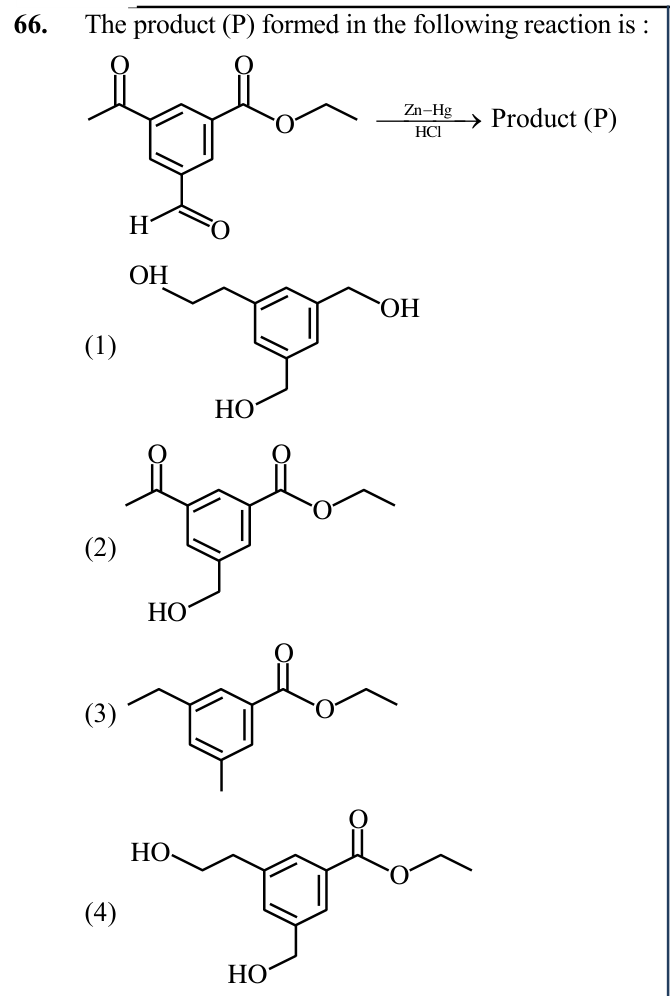
Candidate Response:
(1) (2) (3) (4)
⚡ OFFICIAL KEY: 3
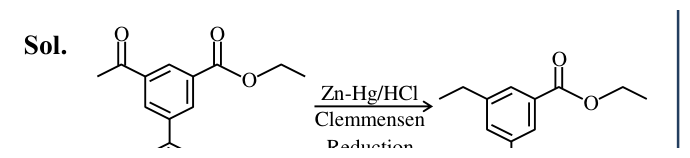
Step-by-Step Derivation
QUESTION 4
CHEMISTRY · Aldehydes, Ketones and Carboxylic Acids
SECTION A · MCQ (+4, -1)
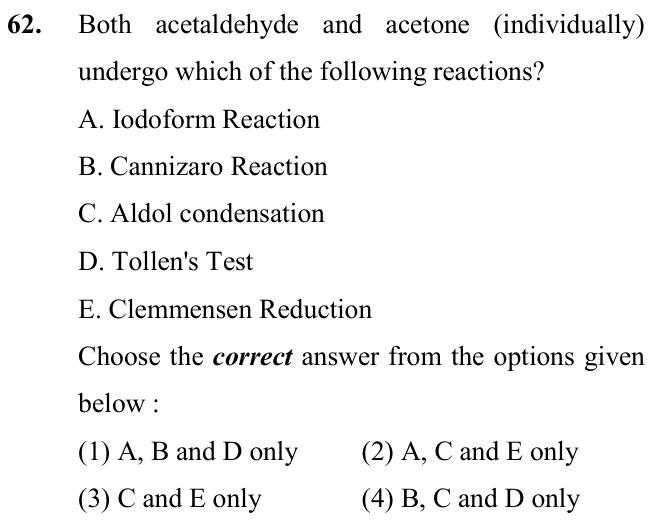
Candidate Response:
(1) (2) (3) (4)
⚡ OFFICIAL KEY: 2
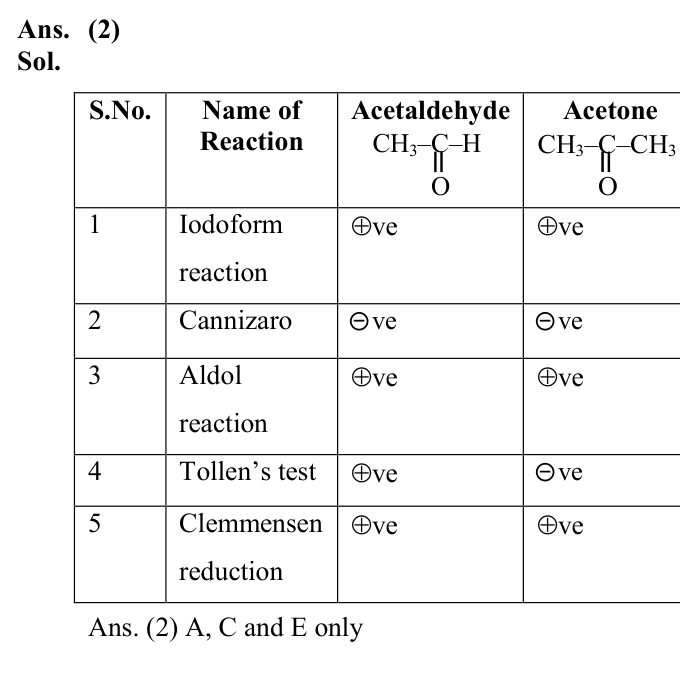
Step-by-Step Derivation
QUESTION 5
CHEMISTRY · Aldehydes, Ketones and Carboxylic Acids
SECTION A · MCQ (+4, -1)
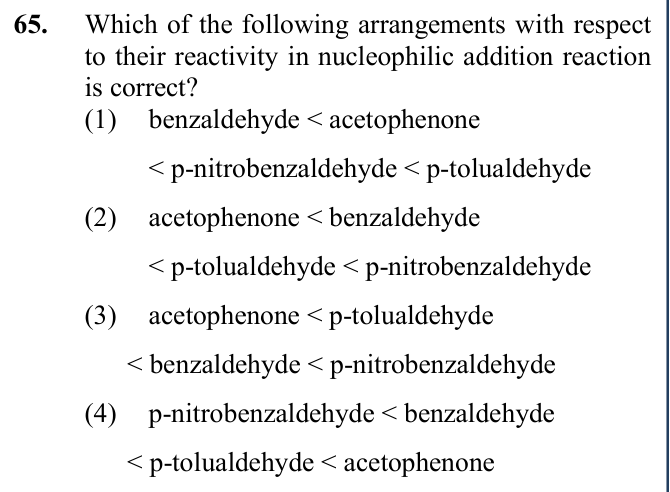
Candidate Response:
(1) (2) (3) (4)
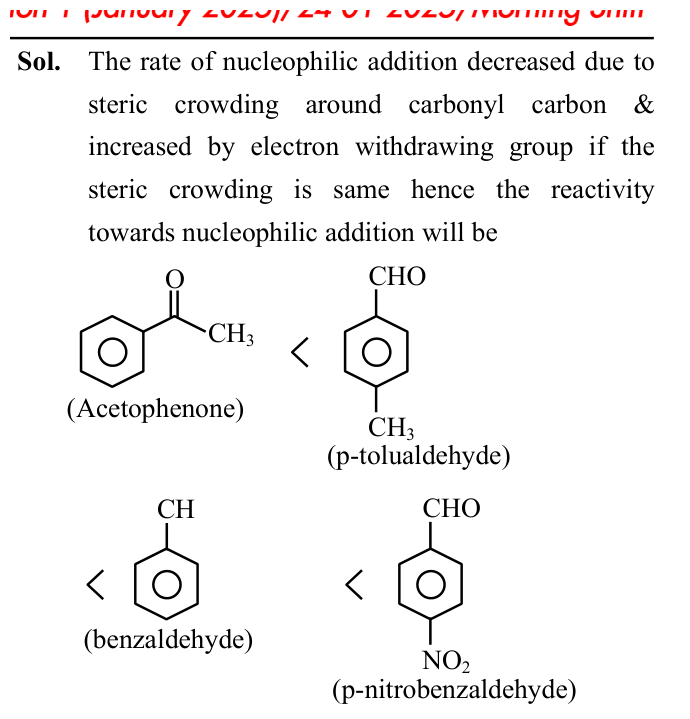
⚡ OFFICIAL KEY: 3
Step-by-Step Derivation
QUESTION 6
CHEMISTRY · Aldehydes, Ketones and Carboxylic Acids
SECTION A · MCQ (+4, -1)
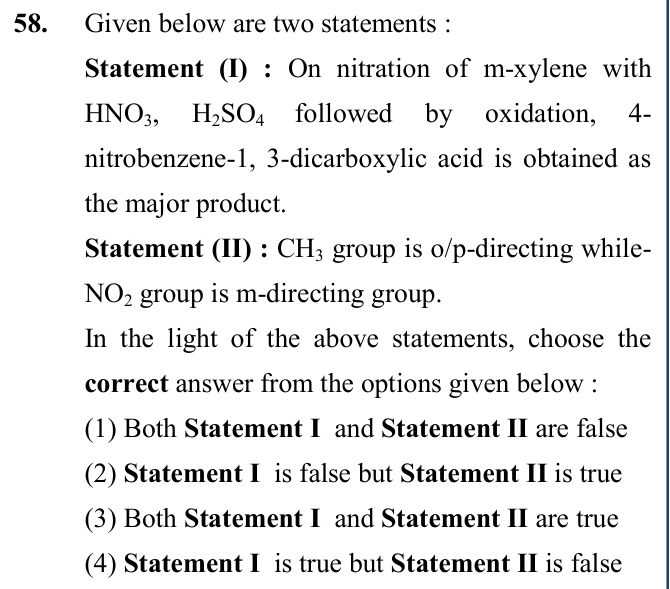
Candidate Response:
(1) (2) (3) (4)
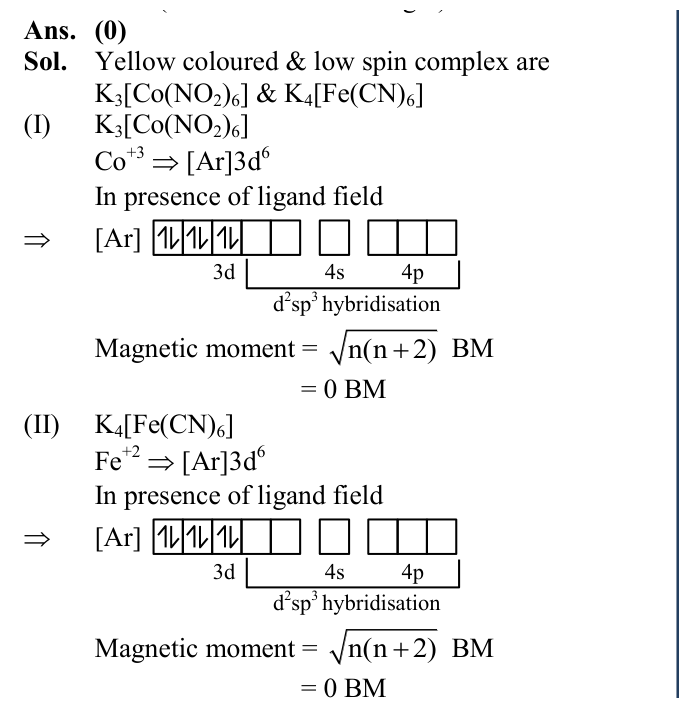
⚡ OFFICIAL KEY: 3
Step-by-Step Derivation
QUESTION 7
CHEMISTRY · Aldehydes, Ketones and Carboxylic Acids
SECTION A · MCQ (+4, -1)
Heating the sodium salt of a carboxylic acid with soda lime (NaOH + CaO) produces which type of hydrocarbon by decarboxylation?
(1) alkane
(2) alkene
(3) alcohol
(4) alkyne
Candidate Response:
(1) (2) (3) (4)
⚡ OFFICIAL KEY: alkane
Step-by-Step Derivation
Soda lime decarboxylation (Dumas) gives an alkane with one fewer carbon.
QUESTION 8
CHEMISTRY · Aldehydes, Ketones and Carboxylic Acids
SECTION A · MCQ (+4, -1)
The Rosenmund reduction converts an acid chloride into which product using H₂ over Pd/BaSO₄?
(1) aldehyde
(2) alcohol
(3) carboxylic acid
(4) ketone
Candidate Response:
(1) (2) (3) (4)
⚡ OFFICIAL KEY: aldehyde
Step-by-Step Derivation
Rosenmund reduction selectively yields an aldehyde from an acid chloride.
QUESTION 9
CHEMISTRY · Aldehydes, Ketones and Carboxylic Acids
SECTION A · MCQ (+4, -1)
A ketone containing an acid-sensitive carbon–carbon double bond (C=C) must be reduced to the corresponding hydrocarbon. Which reagent should be used?
(1) Concentrated H₂SO₄
(2) Wolff-Kishner (NH₂NH₂/KOH in ethylene glycol)
(3) Clemmensen (Zn-Hg/conc. HCl)
(4) Dilute aqueous NaOH
Candidate Response:
(1) (2) (3) (4)
⚡ OFFICIAL KEY: Wolff-Kishner (NH₂NH₂/KOH in ethylene glycol)
Step-by-Step Derivation
Clemmensen's conc. HCl would attack the acid-sensitive C=C, so the basic Wolff-Kishner conditions (NH₂NH₂/KOH) are chosen to reduce only the carbonyl while leaving the C=C intact.
QUESTION 10
CHEMISTRY · Aldehydes, Ketones and Carboxylic Acids
SECTION A · MCQ (+4, -1)
Benzaldehyde is heated with concentrated NaOH. The products of this Cannizzaro reaction are:
(1) benzyl alcohol and sodium benzoate
(2) benzaldehyde and sodium formate
(3) benzoic acid and methanol
(4) phenol and sodium carbonate
Candidate Response:
(1) (2) (3) (4)
⚡ OFFICIAL KEY: benzyl alcohol and sodium benzoate
Step-by-Step Derivation
Benzaldehyde has no α-hydrogen, so it cannot form an enolate; with conc. NaOH it disproportionates — one molecule is reduced to benzyl alcohol and the other is oxidised to sodium benzoate.
QUESTION 11
CHEMISTRY · Aldehydes, Ketones and Carboxylic Acids
SECTION A · MCQ (+4, -1)
Which compound CANNOT undergo the Hell-Volhard-Zelinsky (HVZ) reaction?
(1) Acetic acid (CH₃COOH)
(2) Propanoic acid (CH₃CH₂COOH)
(3) Butanoic acid (CH₃CH₂CH₂COOH)
(4) Benzoic acid (no α-hydrogen)
Candidate Response:
(1) (2) (3) (4)
⚡ OFFICIAL KEY: Benzoic acid (no α-hydrogen)
Step-by-Step Derivation
The HVZ reaction requires an α-hydrogen to form the enolisable acyl halide intermediate. Benzoic acid has no α-hydrogen, so it cannot undergo HVZ; acetic, propanoic and butanoic acids all have α-hydrogens.
QUESTION 12
CHEMISTRY · Aldehydes, Ketones and Carboxylic Acids
SECTION A · MCQ (+4, -1)
Arrange formaldehyde (HCHO), acetaldehyde (CH₃CHO) and acetone (CH₃COCH₃) in decreasing order of reactivity toward nucleophilic addition:
(1) CH₃CHO > HCHO > CH₃COCH₃
(2) HCHO > CH₃COCH₃ > CH₃CHO
(3) CH₃COCH₃ > CH₃CHO > HCHO
(4) HCHO > CH₃CHO > CH₃COCH₃
Candidate Response:
(1) (2) (3) (4)
⚡ OFFICIAL KEY: HCHO > CH₃CHO > CH₃COCH₃
Step-by-Step Derivation
More alkyl groups mean more +I electron donation and more steric crowding, both lowering the carbonyl carbon's electrophilicity. HCHO (no alkyl group) is most reactive; acetone (two methyl groups) is least.
QUESTION 13
CHEMISTRY · Aldehydes, Ketones and Carboxylic Acids
SECTION A · MCQ (+4, -1)
The α-hydrogen of aldehydes and ketones is acidic because the resulting enolate is stabilised by which factor?
(1) inductive effect only
(2) resonance
(3) hyperconjugation only
(4) no stabilisation
Candidate Response:
(1) (2) (3) (4)
⚡ OFFICIAL KEY: resonance
Step-by-Step Derivation
Resonance delocalises the negative charge of the enolate ion.
QUESTION 14
CHEMISTRY · Aldehydes, Ketones and Carboxylic Acids
SECTION A · MCQ (+4, -1)
Aldehydes are more reactive than ketones toward nucleophilic addition because of which combined effect?
(1) sp³ hybridised carbon
(2) more steric hindrance
(3) less steric hindrance and less electron-donating inductive effect
(4) a stronger +I effect
Candidate Response:
(1) (2) (3) (4)
⚡ OFFICIAL KEY: less steric hindrance and less electron-donating inductive effect
Step-by-Step Derivation
Smaller groups and weaker +I donation make aldehydes more reactive.
QUESTION 15
CHEMISTRY · Aldehydes, Ketones and Carboxylic Acids
SECTION A · MCQ (+4, -1)
The van 't Hoff factor (i) of acetic acid in benzene is close to 0.5. This is because:
(1) acetic acid forms cyclic hydrogen-bonded dimers, so two molecules behave as one particle
(2) benzene reacts with acetic acid
(3) acetic acid dissociates into four ions
(4) acetic acid fully ionises in benzene
Candidate Response:
(1) (2) (3) (4)
⚡ OFFICIAL KEY: acetic acid forms cyclic hydrogen-bonded dimers, so two molecules behave as one particle
Step-by-Step Derivation
In non-polar solvents like benzene, carboxylic acids form cyclic dimers through two intermolecular hydrogen bonds, so two molecules count as one particle and the colligative apparent molar mass doubles (i ≈ 0.5).