
⚡ OFFICIAL NTA ASSESSMENT GENERATOR & WORD (.DOCX) EXPORTER
Current Electricity · Practice Worksheet
JEE Main Physics · Curated Assessment Set Print directly or export as a beautifully formatted Microsoft Word document with embedded 180-DPI mathematical prompt clips and step-by-step derivations.
EDUPROD JEE MAIN TEST SERIES · NTA PATTERN
Current Electricity · Practice Worksheet
JEE Main Physics · Curated Assessment Set · Assessment Code: JEE-101
Total Marks: 100
Marking: +4 / -1 (Sec A) · +4 / 0 (Sec B)
QUESTION 1
PHYSICS · Current Electricity
SECTION B · NUMERICAL (+4, 0)

Numerical Value:
[ ]
⚡ OFFICIAL KEY: 2
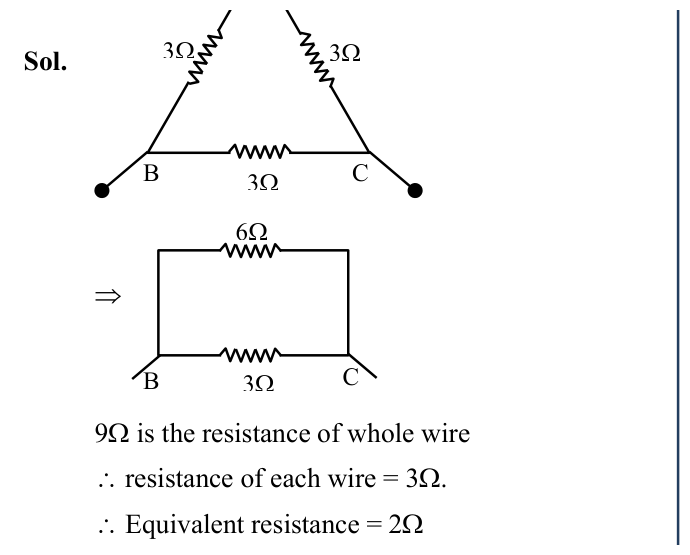
Step-by-Step Derivation
QUESTION 2
PHYSICS · Current Electricity
SECTION A · MCQ (+4, -1)
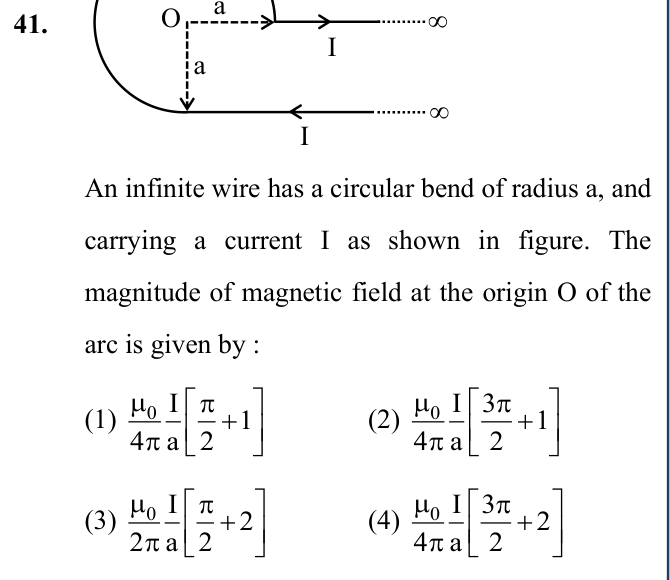
Candidate Response:
(1) (2) (3) (4)
⚡ OFFICIAL KEY: 2
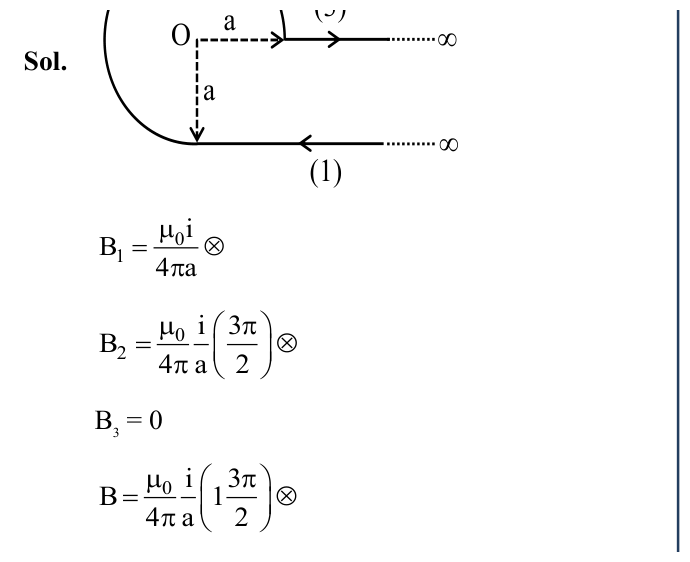
Step-by-Step Derivation
QUESTION 3
PHYSICS · Current Electricity
SECTION B · NUMERICAL (+4, 0)
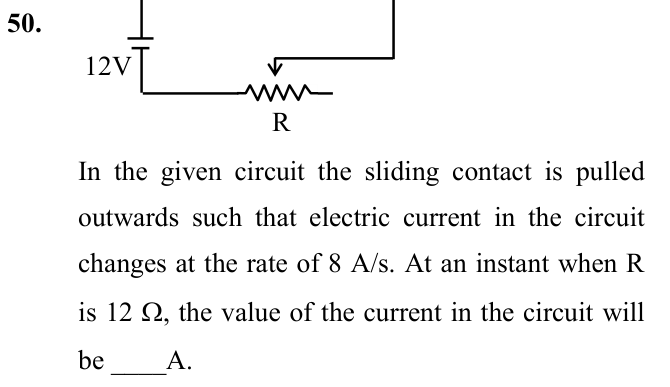
Numerical Value:
[ ]
⚡ OFFICIAL KEY: 3
Step-by-Step Derivation
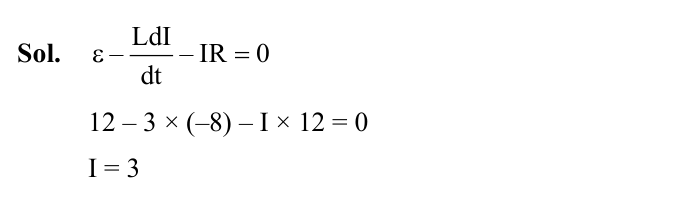
QUESTION 4
PHYSICS · Current Electricity
SECTION A · MCQ (+4, -1)
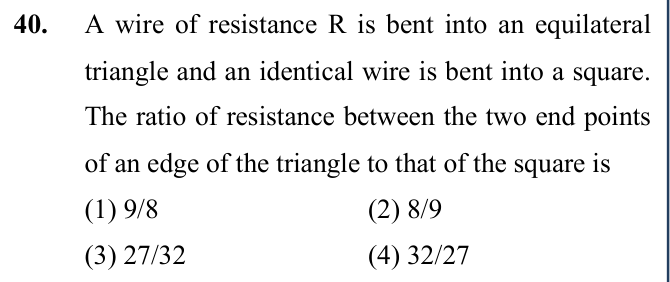
Candidate Response:
(1) (2) (3) (4)
⚡ OFFICIAL KEY: 4
Step-by-Step Derivation
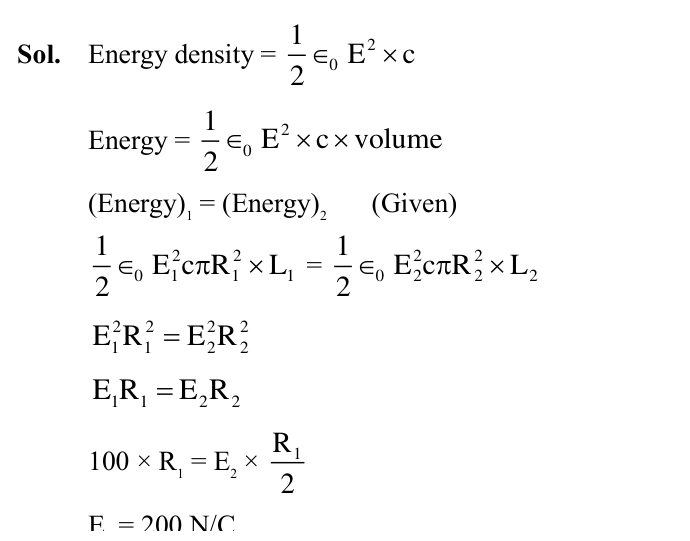
QUESTION 5
PHYSICS · Current Electricity
SECTION A · MCQ (+4, -1)
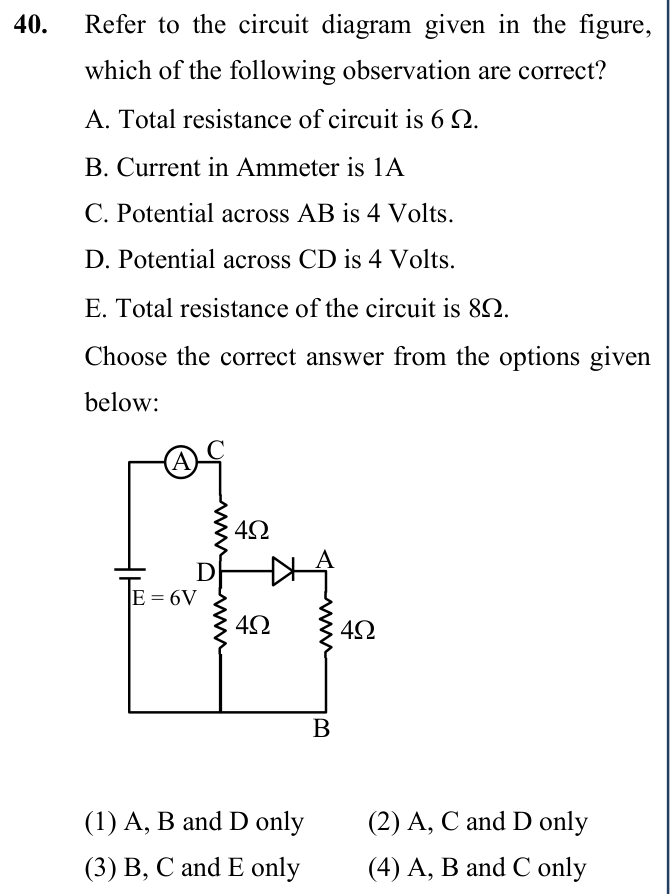
Candidate Response:
(1) (2) (3) (4)
⚡ OFFICIAL KEY: 1
Step-by-Step Derivation
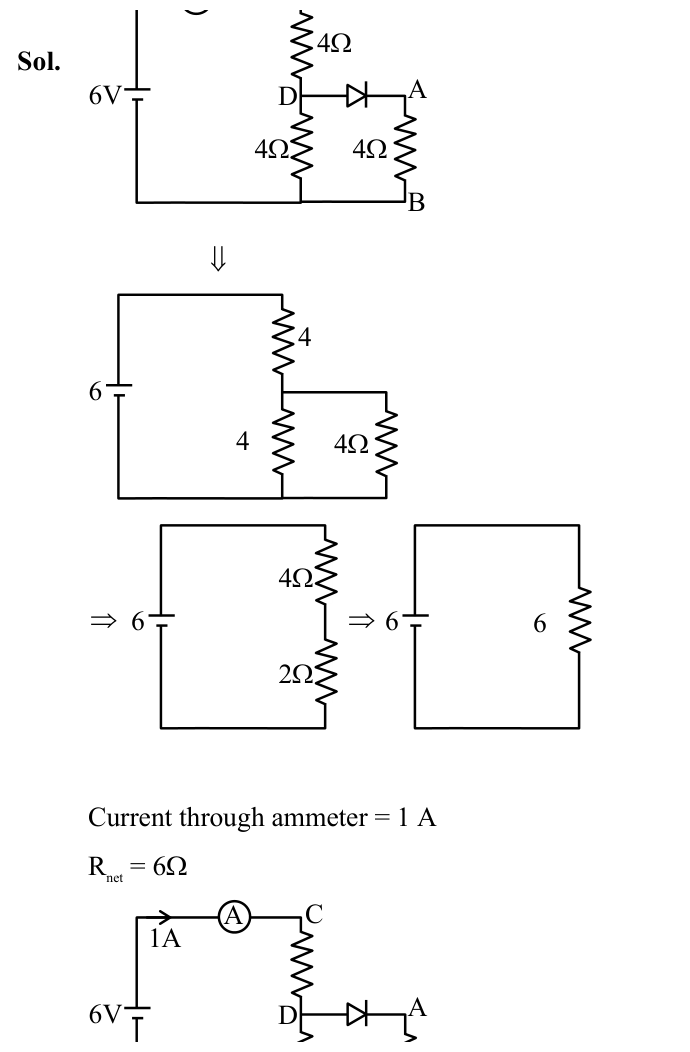
QUESTION 6
PHYSICS · Current Electricity
SECTION A · MCQ (+4, -1)
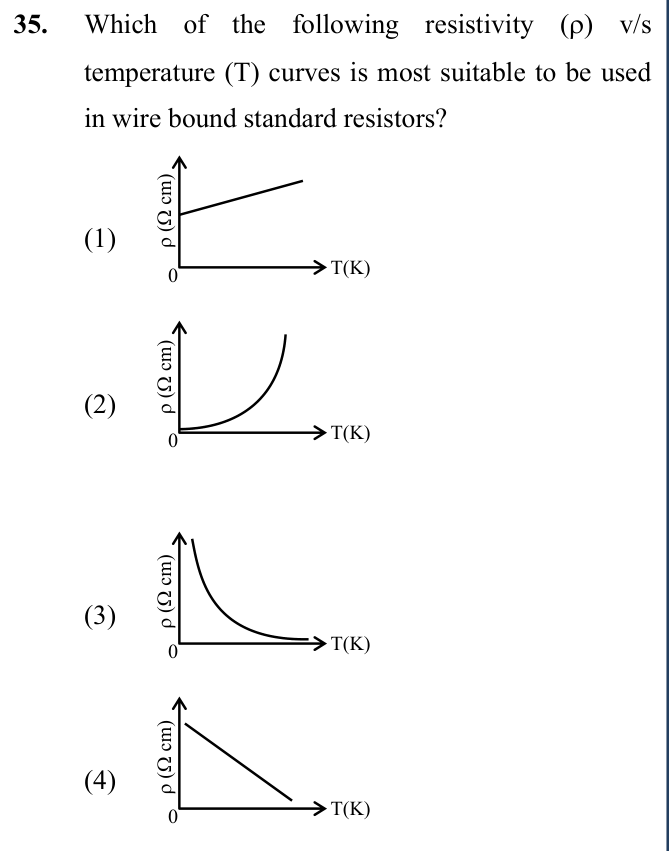
Candidate Response:
(1) (2) (3) (4)
⚡ OFFICIAL KEY: 1
Step-by-Step Derivation

QUESTION 7
PHYSICS · Current Electricity
SECTION A · MCQ (+4, -1)
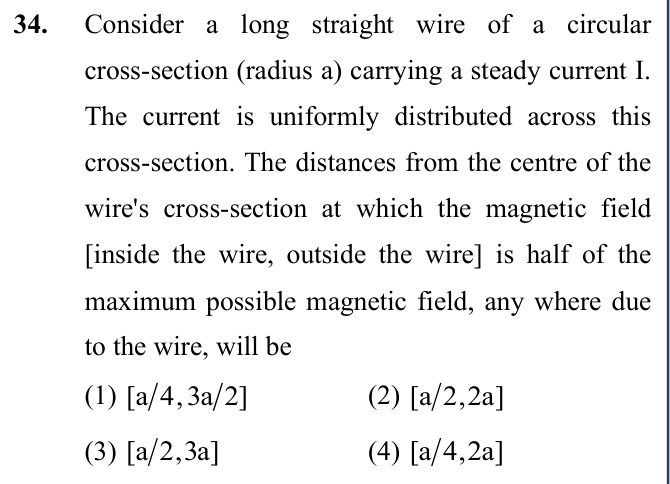
Candidate Response:
(1) (2) (3) (4)
⚡ OFFICIAL KEY: 2
Step-by-Step Derivation
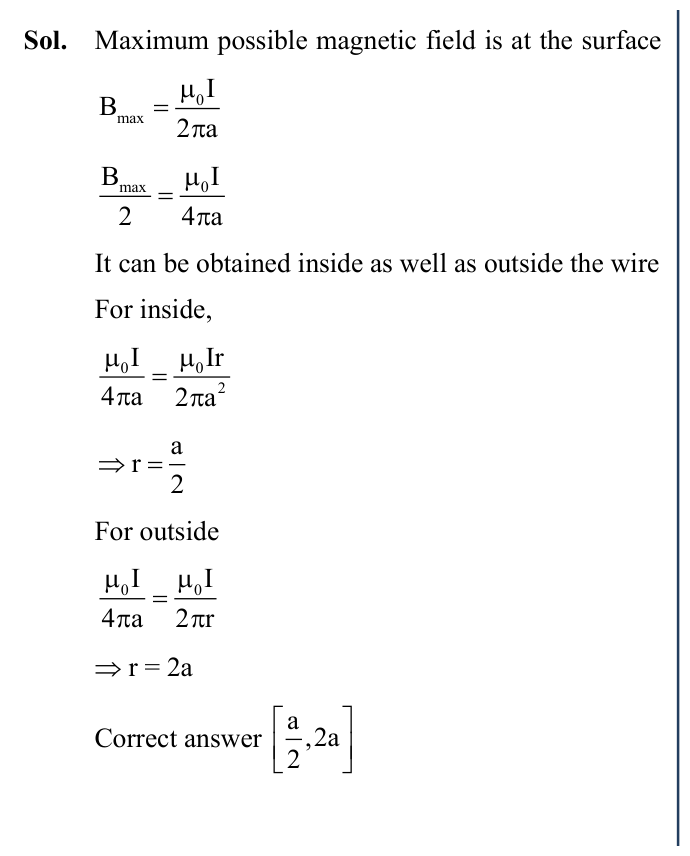
QUESTION 8
PHYSICS · Current Electricity
SECTION A · MCQ (+4, -1)
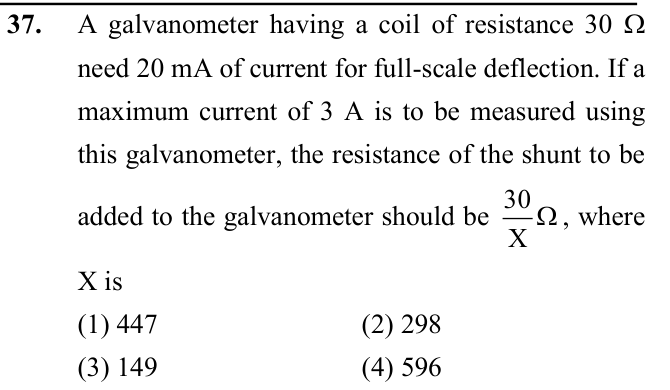
Candidate Response:
(1) (2) (3) (4)
⚡ OFFICIAL KEY: 3
Step-by-Step Derivation
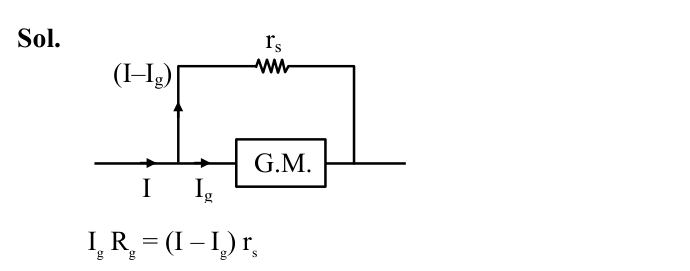
QUESTION 9
PHYSICS · Current Electricity
SECTION A · MCQ (+4, -1)
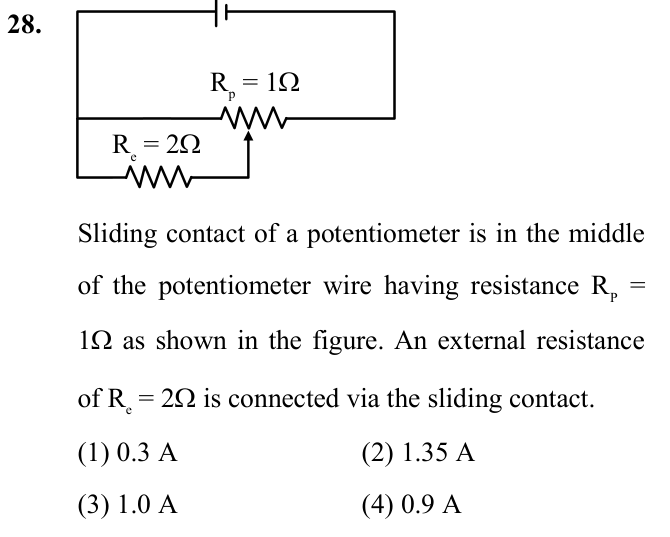
Candidate Response:
(1) (2) (3) (4)
⚡ OFFICIAL KEY: 3
Step-by-Step Derivation

QUESTION 10
PHYSICS · Current Electricity
SECTION A · MCQ (+4, -1)
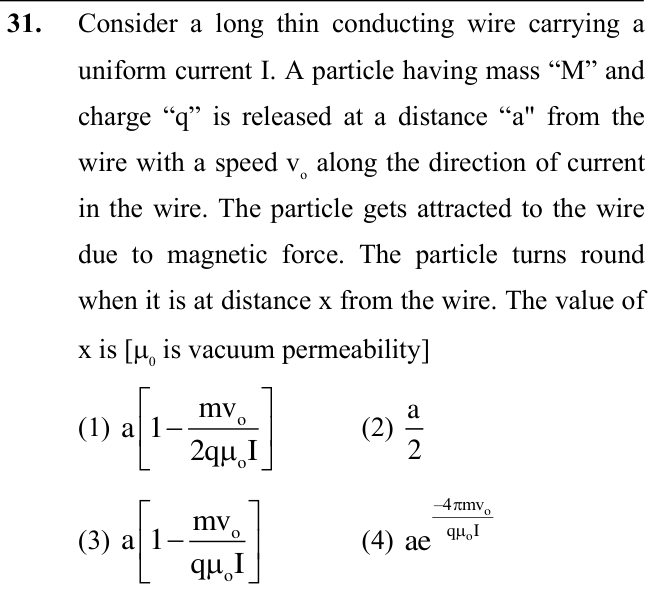
Candidate Response:
(1) (2) (3) (4)
⚡ OFFICIAL KEY: 4
Step-by-Step Derivation

QUESTION 11
PHYSICS · Current Electricity
SECTION A · MCQ (+4, -1)
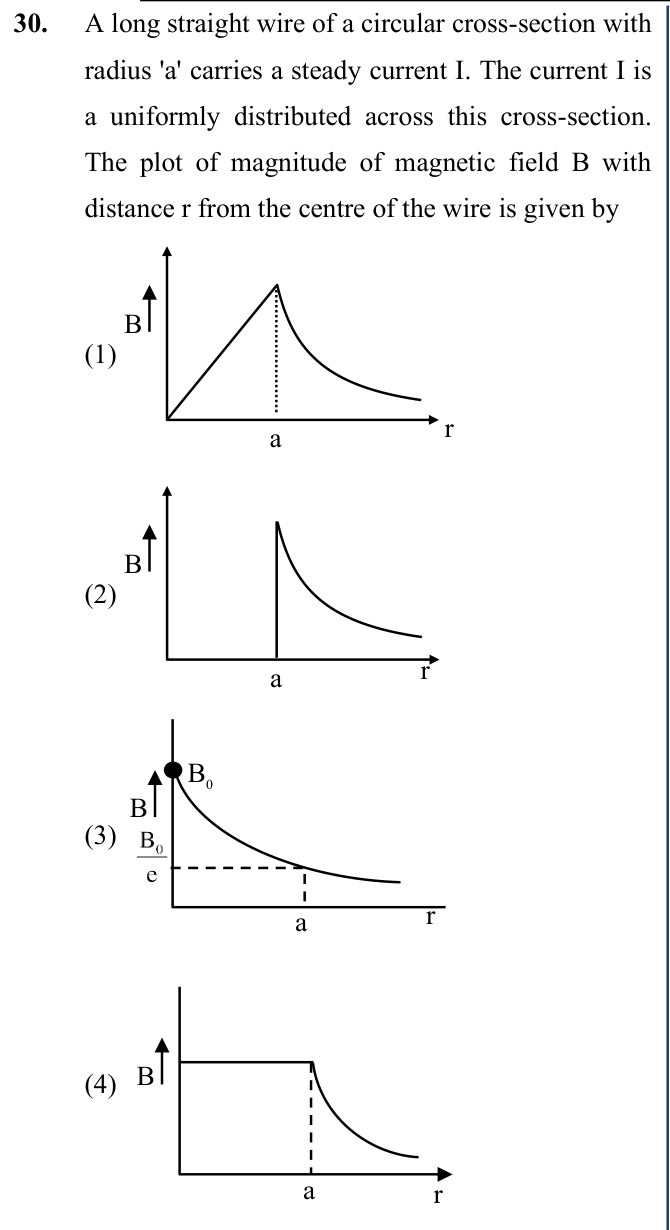
Candidate Response:
(1) (2) (3) (4)
⚡ OFFICIAL KEY: 1
Step-by-Step Derivation
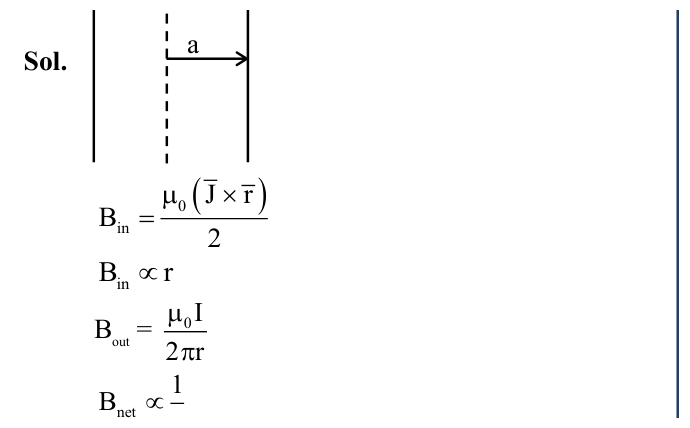
QUESTION 12
PHYSICS · Current Electricity
SECTION A · MCQ (+4, -1)
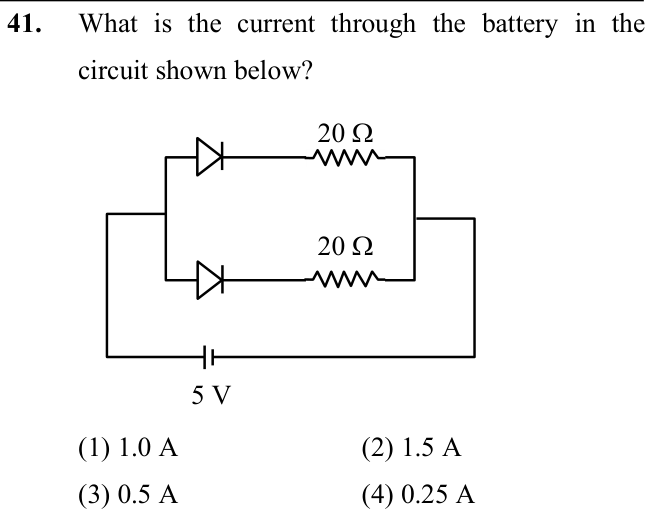
Candidate Response:
(1) (2) (3) (4)
⚡ OFFICIAL KEY: 3
Step-by-Step Derivation
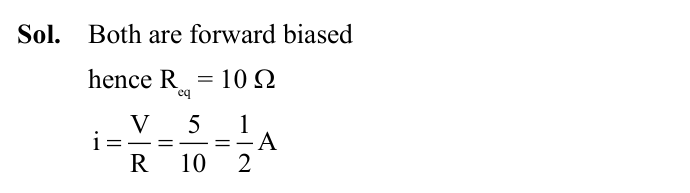
QUESTION 13
PHYSICS · Current Electricity
SECTION A · MCQ (+4, -1)
Candidate Response:
(1) (2) (3) (4)
⚡ OFFICIAL KEY: 1
Step-by-Step Derivation
QUESTION 14
PHYSICS · Current Electricity
SECTION A · MCQ (+4, -1)
Candidate Response:
(1) (2) (3) (4)
⚡ OFFICIAL KEY: 3
Step-by-Step Derivation
QUESTION 15
PHYSICS · Current Electricity
SECTION B · NUMERICAL (+4, 0)
Numerical Value:
[ ]
⚡ OFFICIAL KEY: 1
Step-by-Step Derivation
QUESTION 16
PHYSICS · Current Electricity
SECTION A · MCQ (+4, -1)
Candidate Response:
(1) (2) (3) (4)
⚡ OFFICIAL KEY: 2
Step-by-Step Derivation
QUESTION 17
PHYSICS · Current Electricity
SECTION B · NUMERICAL (+4, 0)
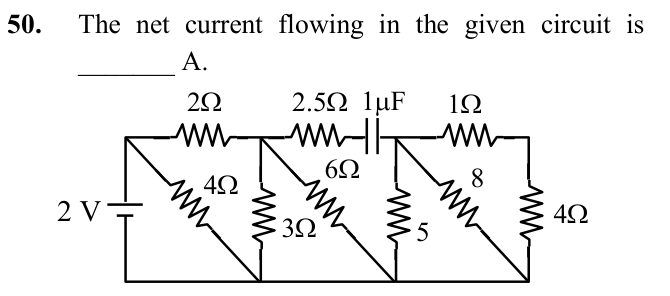
Numerical Value:
[ ]
⚡ OFFICIAL KEY: 1
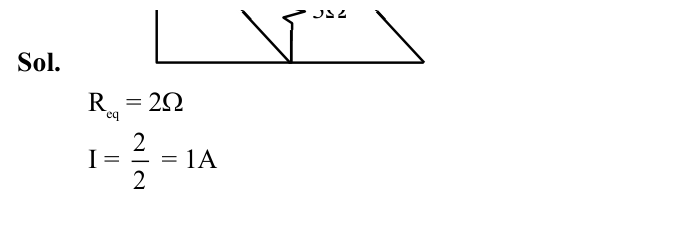
Step-by-Step Derivation
QUESTION 18
PHYSICS · Current Electricity
SECTION A · MCQ (+4, -1)
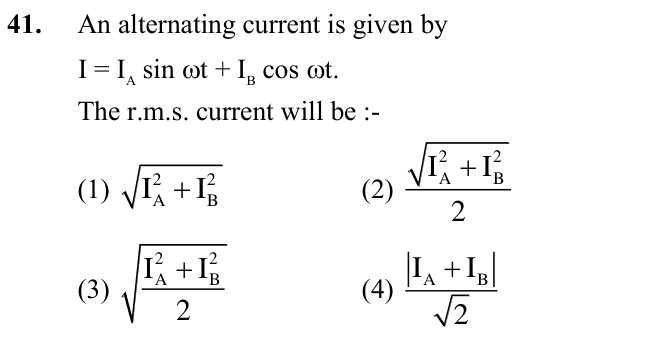
Candidate Response:
(1) (2) (3) (4)
⚡ OFFICIAL KEY: 3
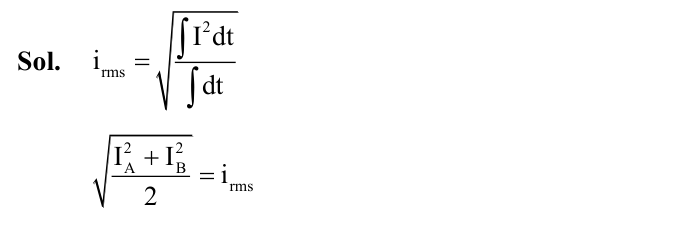
Step-by-Step Derivation
QUESTION 19
PHYSICS · Current Electricity
SECTION A · MCQ (+4, -1)
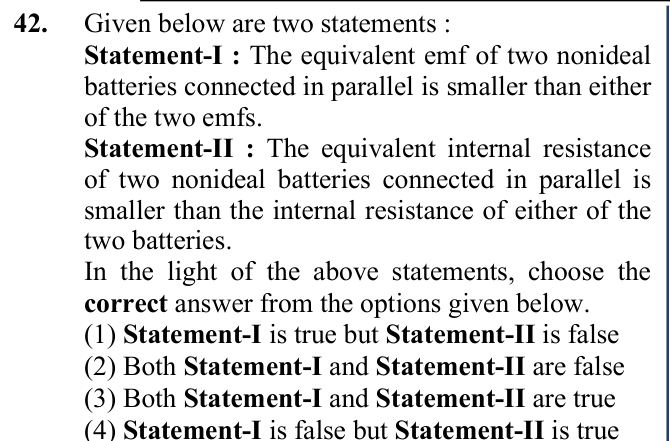
Candidate Response:
(1) (2) (3) (4)
⚡ OFFICIAL KEY: 4
Step-by-Step Derivation
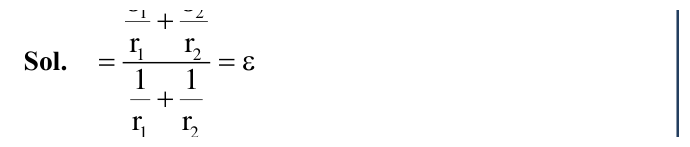
QUESTION 20
PHYSICS · Current Electricity
SECTION B · NUMERICAL (+4, 0)
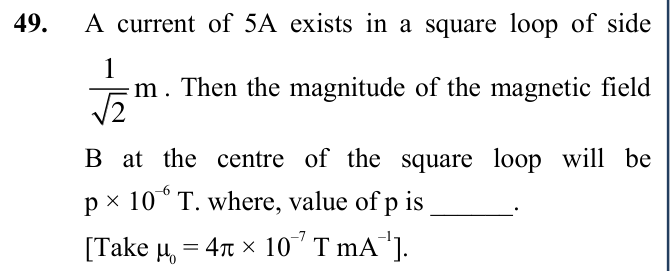
Numerical Value:
[ ]
⚡ OFFICIAL KEY: 8
Step-by-Step Derivation
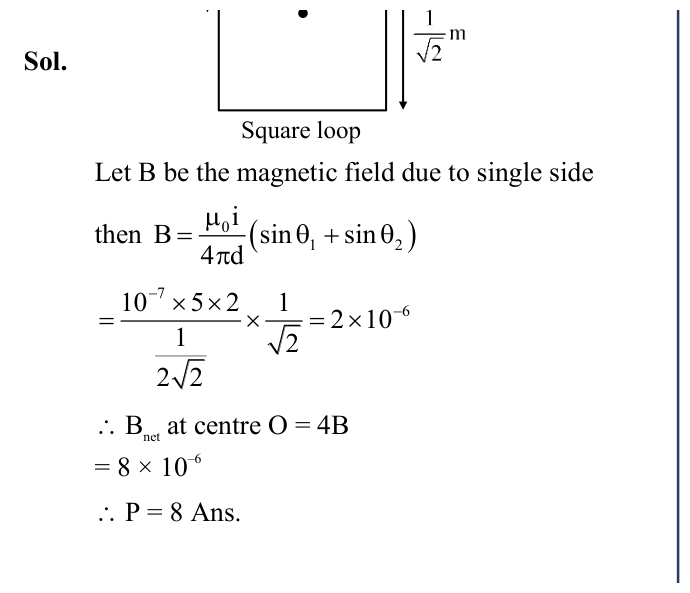
QUESTION 21
PHYSICS · Current Electricity
SECTION A · MCQ (+4, -1)
Two cells of emf 1.5 V each are connected in series with the same polarity (aiding). The equivalent emf is:
(1) 3.0 V
(2) 1.5 V
(3) 0 V
(4) 0.75 V
Candidate Response:
(1) (2) (3) (4)
⚡ OFFICIAL KEY: 3.0 V
Step-by-Step Derivation
Aiding series cells add their emfs: ε_eq = ε₁ + ε₂ = 1.5 + 1.5 = 3.0 V. Their internal resistances also add.
QUESTION 22
PHYSICS · Current Electricity
SECTION A · MCQ (+4, -1)
How does the drift velocity v_d of electrons in a conductor compare with their random thermal speed?
(1) Both are of the same order of magnitude.
(2) Drift velocity (~10⁻⁴ m/s) is much smaller than thermal speed (~10⁵ m/s).
(3) Drift velocity is much larger than thermal speed.
(4) Thermal speed is zero while drift velocity is large.
Candidate Response:
(1) (2) (3) (4)
⚡ OFFICIAL KEY: Drift velocity (~10⁻⁴ m/s) is much smaller than thermal speed (~10⁵ m/s).
Step-by-Step Derivation
Electrons move chaotically at thermal speeds near 10⁵ m/s with zero average, while the applied field superimposes a tiny net drift velocity of order 10⁻⁴ m/s.
QUESTION 23
PHYSICS · Current Electricity
SECTION A · MCQ (+4, -1)
In a balanced Wheatstone bridge, the galvanometer shows zero deflection when:
(1) P + Q = R + S
(2) P/Q = R/S
(3) P/Q = S/R
(4) P·Q = R·S
Candidate Response:
(1) (2) (3) (4)
⚡ OFFICIAL KEY: P/Q = R/S
Step-by-Step Derivation
The bridge is balanced (null galvanometer deflection) when the ratio of the two arms in one branch equals that in the other: P/Q = R/S.
QUESTION 24
PHYSICS · Current Electricity
SECTION A · MCQ (+4, -1)
Electric power is the rate at which ____.
(1) voltage changes
(2) charge flows through a wire
(3) electrical energy is dissipated or consumed
(4) resistance increases
Candidate Response:
(1) (2) (3) (4)
⚡ OFFICIAL KEY: electrical energy is dissipated or consumed
Step-by-Step Derivation
Power P = W/t is the rate of energy dissipation.
QUESTION 25
PHYSICS · Current Electricity
SECTION A · MCQ (+4, -1)
With an increase in temperature, the resistivity of a metal ____.
(1) first decreases then increases
(2) remains constant
(3) increases
(4) decreases
Candidate Response:
(1) (2) (3) (4)
⚡ OFFICIAL KEY: increases
Step-by-Step Derivation
Metals have a positive temperature coefficient, so resistivity rises with temperature.